Walk through any archaeological museum in the world, and one fact becomes impossible to ignore. Wherever traces of early humans have survived, art has survived with them. Long before cities, before writing, before organized religion, before science began explaining the world, human beings were already drawing, dancing, creating music, carving, engraving, and decorating stone.
This simple observation deserves more attention than it usually receives.
The people who left those marks did not live comfortably. Their days were occupied by survival. Finding food, building shelter, and protecting themselves from danger were the conditions of everyday life. If art were merely a luxury, it would probably have disappeared under such circumstances. Yet one of the oldest things humanity chose to preserve was not only the means to survive, but also the desire to create.
Perhaps this tells us something essential about being human.
From prehistoric cave paintings and petroglyphs to contemporary photography and digital art, the materials have changed, but the impulse has not. Civilizations have risen and fallen. Languages have appeared and disappeared. Religions, political systems, and technologies have transformed the world. Art, however, has remained a constant companion.
This became visible once again during the COVID-19 pandemic. Confined to their homes, separated from familiar routines, and uncertain about the future, millions of people instinctively turned toward creative activity. Some painted for the first time. Others learned to play an instrument, began writing, photographing, sewing, sculpting, or simply filling empty pages with drawings.
No one had to persuade them that these activities were useful.
People returned to them because they answered a need that already existed: to express themselves and to remain connected with the world. This suggests that survival is sustained not only by food and shelter but also by the ways human beings understand and experience their existence.

Separated by tens of thousands of years, the prehistoric artist and the person creating during a global pandemic may seem to have very little in common. Yet both responded to uncertainty in remarkably similar ways. Both created.
This raises a question that goes beyond art itself.
Do human beings create because they have enough time and comfort, or because creativity is one way they remain fully human?
If art appeared only after survival was secured, it might be considered a luxury. But history suggests otherwise. Art appeared alongside survival itself. It has been present not because human beings had solved all their problems, but because they were trying to understand their existence amid those problems.
This is why I hesitate whenever art is described as a luxury.
We can remove luxury from our lives without changing what it means to be human. Art has never behaved that way. It appears wherever human life appears. It accompanies us in periods of abundance and hardship. We create when we celebrate, and we create when we grieve. We create because artistic expression is one way human beings understand themselves and the world around them.
Buying original art, therefore, is not simply acquiring an object to decorate a room. It is recognizing the value of one of humanity's oldest forms of expression. It supports the person who continues that tradition today and brings an object born of the same creative impulse that has accompanied our species since its earliest known history into everyday life.
When someone chooses to live with an original artwork, they are not only bringing something meaningful into their environment; they are becoming part of the same human dialogue that began thousands of years ago.
There are many ways to spend money. Most purchases solve immediate problems. Art rarely does. Its value lies elsewhere. It changes the atmosphere of a home, invites reflection, preserves memory, encourages conversation, and reminds us that human life has always been more than survival.
Perhaps this is why the real question is not whether art is a luxury.
Perhaps the more important question is why, after thousands of years of living with art, we have come to think of one of our oldest human activities as something optional.
The Essay Continues Through Images
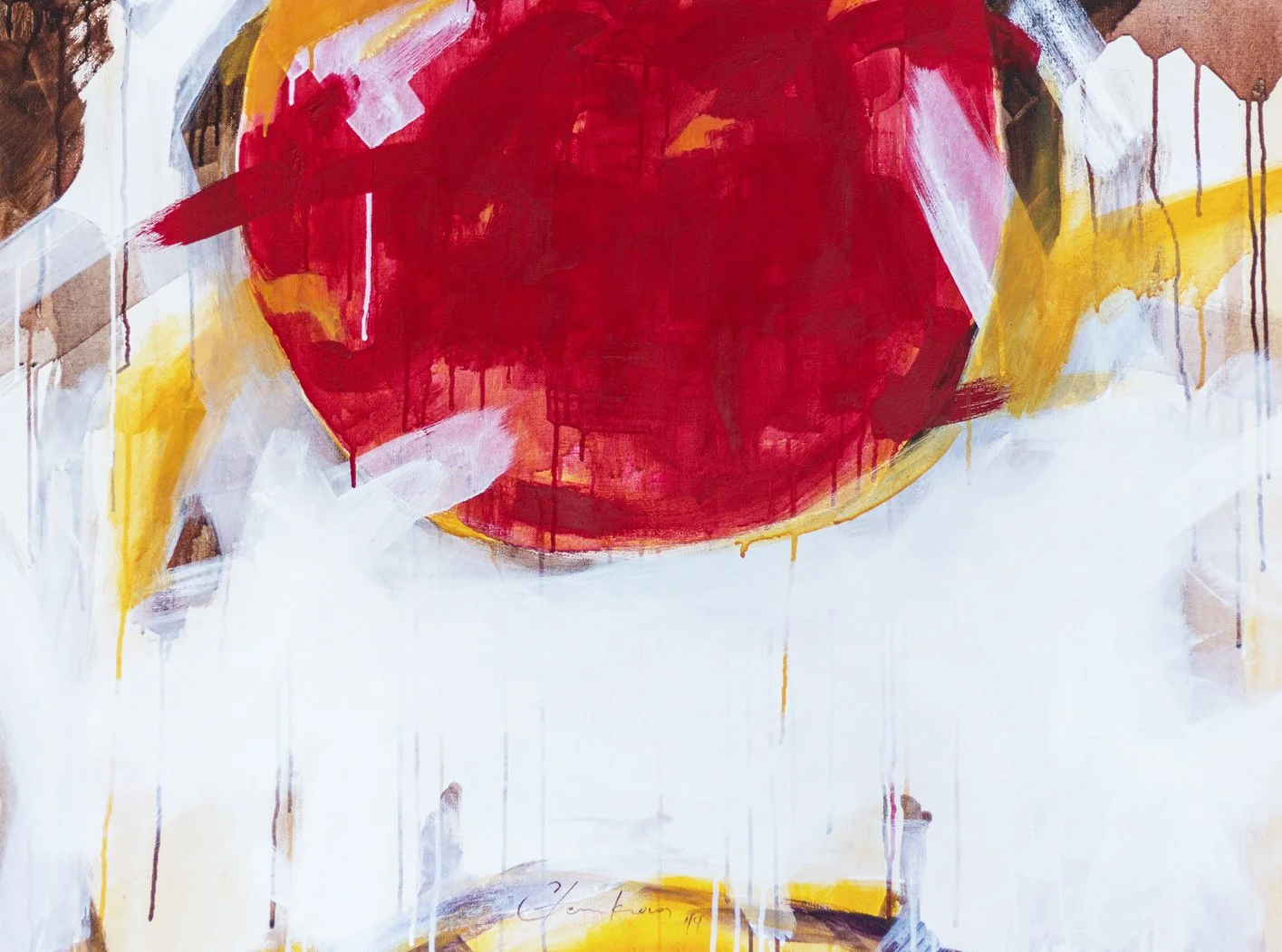
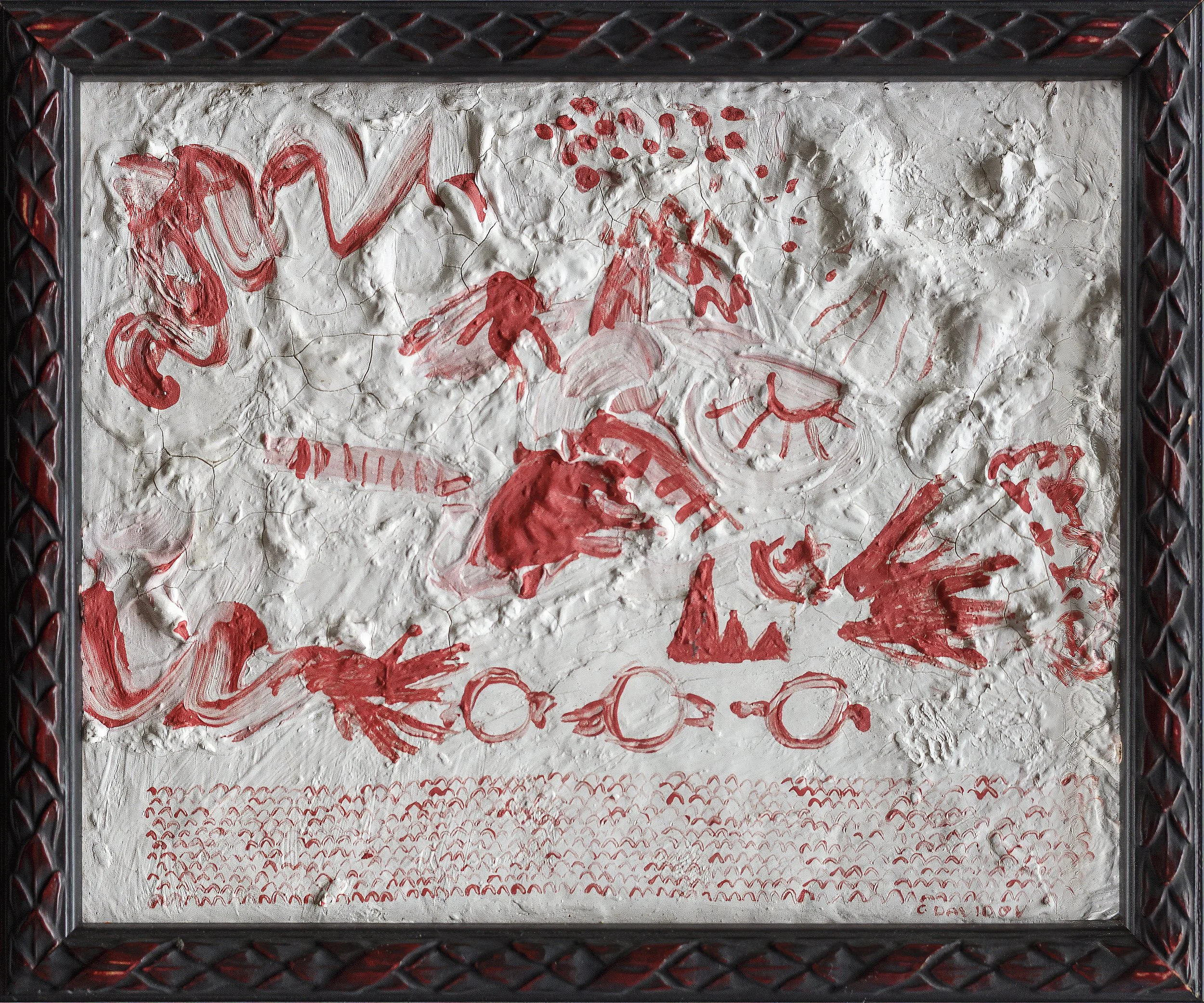
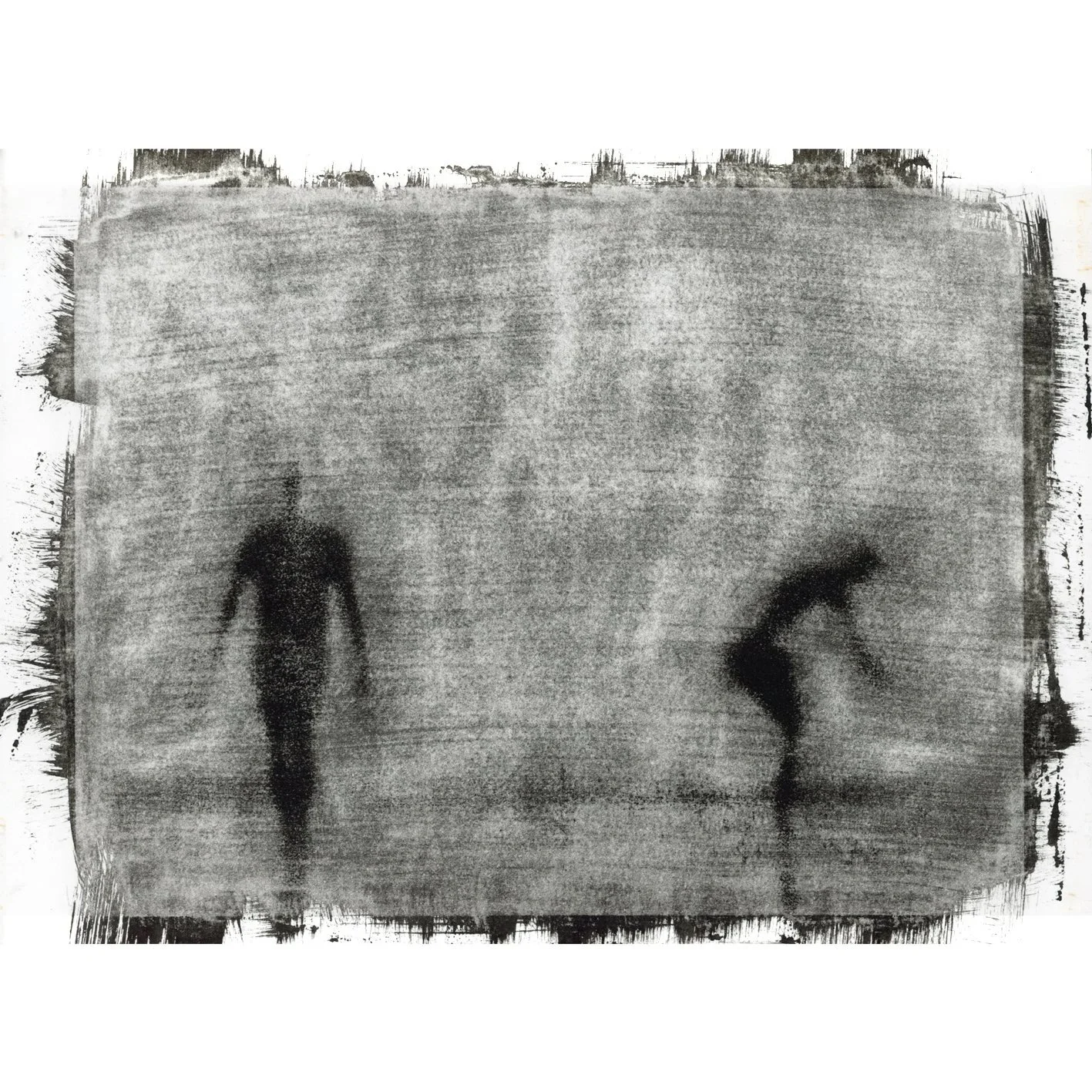
The following works explore the same ideas through contemporary art.